If you are exploring types of cloud security solutions, you are probably already asking an important question: “Is our business data really safe in the cloud?” This is a real concern for many companies. Files are stored online, employees access systems from different locations, and customers expect their information to stay protected at all times.
The challenge is that cloud security can feel confusing. There are many tools, services, and technical terms, but business owners do not always know which ones truly matter. The good news is that cloud security does not need to be complicated. When you understand the main options available, it becomes easier to protect your data, reduce risks, and build a stronger digital foundation.
At Top Premier Cloud, we understand how important it is for businesses across Canada to stay secure, scalable, and ready for growth. A safe cloud environment helps your team work with confidence while keeping your operations protected from common threats.
Why Cloud Security Matters for Businesses
Cloud systems are now part of daily business operations. Companies use them for file storage, communication, customer management, accounting, websites, applications, and more. This makes cloud protection a must, not just an extra feature.
Without the right security in place, businesses may face risks such as:
- Data breaches
- Unauthorized access
- Lost or deleted files
- Weak password attacks
- Malware and ransomware
- Service downtime
- Compliance problems
Even small businesses can become targets. Cyber threats do not only affect large corporations. Attackers often look for weak systems, poor access controls, and unprotected data. That is why having a clear cloud security strategy is important for every business size.
Good cloud security helps protect:
- Customer information
- Business documents
- Financial records
- Employee accounts
- Cloud applications
- Company reputation
When your cloud systems are secure, your business can operate with less worry and more stability.
Types of Cloud Security Solutions Businesses Should Know
Different businesses need different levels of protection. A small office may need secure file storage and access control, while a larger company may need advanced monitoring, backup systems, and compliance support.
Here are the main solutions businesses should understand.
1. Identity and Access Management
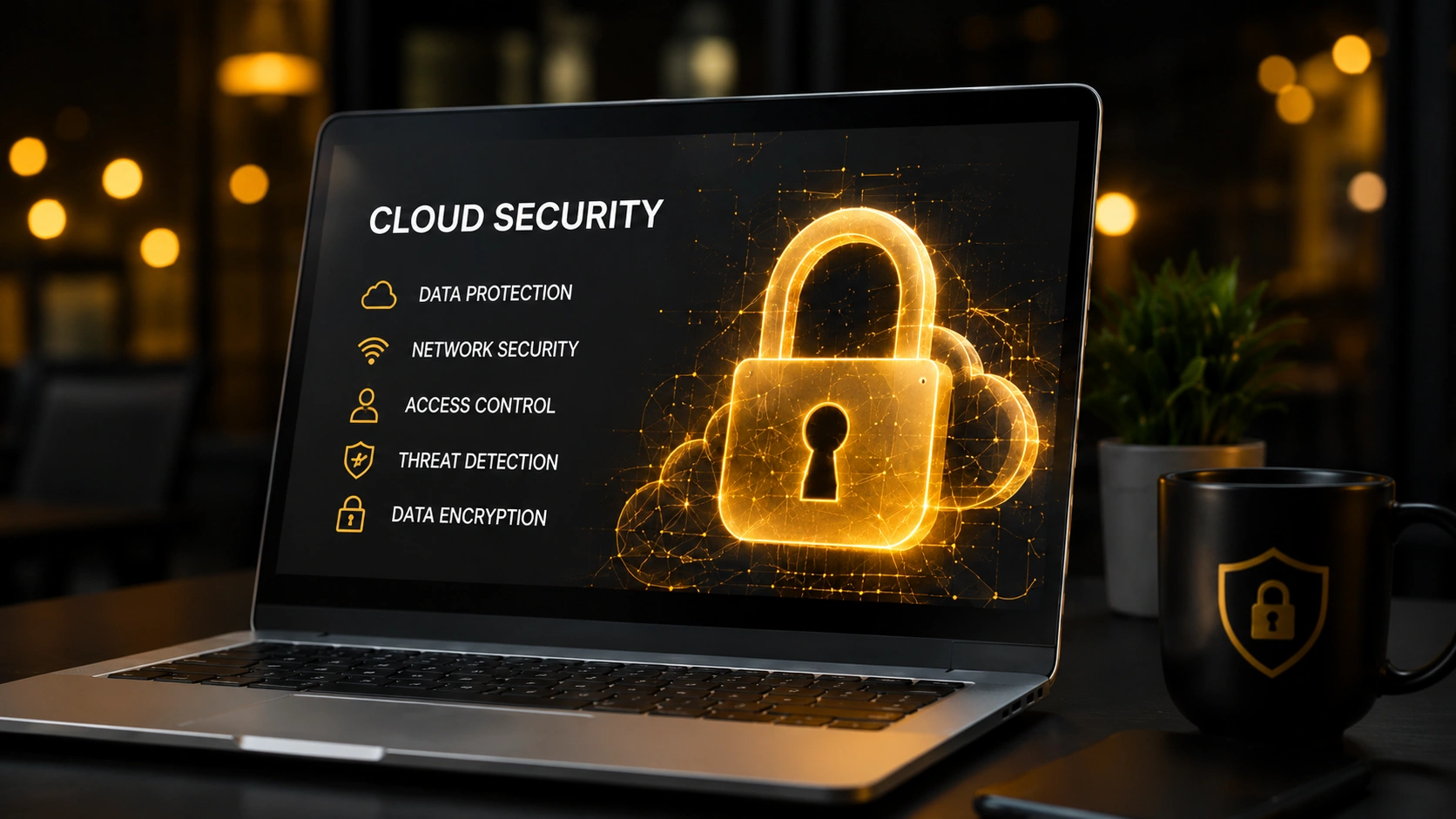
Identity and access management helps control who can enter your cloud systems. It makes sure the right people have access to the right tools, and that unauthorized users are blocked.
This usually includes:
- Usernames and passwords
- Multi-factor authentication
- User roles and permissions
- Login monitoring
- Access approval rules
For example, your finance team may need access to billing records, but your marketing team may not. Access management helps separate permissions so sensitive information stays protected. This is one of the most important parts of cloud security because many attacks start with stolen login details. Strong access control can reduce that risk.
2. Data Encryption and Data Protection
Encryption protects your data by turning it into unreadable code. Even if someone manages to intercept or access the data, they cannot easily understand it without the correct key.
Data encryption is useful for:
- Customer records
- Payment information
- Business contracts
- Employee files
- Internal reports
- Private company documents
Data protection also includes safe storage, secure sharing, and controlled access. This is especially important for businesses that handle sensitive customer or financial information. A strong cloud provider should help keep your data protected while it is stored and while it is being transferred.
3. Network and Infrastructure Protection
Your cloud environment needs a secure foundation. This is where cloud infrastructure security solutions become important. These solutions help protect the servers, storage, networks, and systems that support your business operations.
This can include:
- Firewalls
- Secure network settings
- Threat prevention tools
- Traffic monitoring
- Server protection
- Vulnerability management
Think of this as securing the structure behind your cloud environment. If the foundation is weak, the rest of your systems can become easier to attack. Businesses that depend on cloud platforms need this protection to keep operations stable and reduce the chance of system compromise.
4. Threat Detection and Monitoring
Threat detection helps identify suspicious activity before it becomes a serious problem. It watches your systems and alerts your team when something unusual happens.
This may include:
- Unusual login attempts
- Suspicious file activity
- Malware behavior
- Unknown devices
- Strange traffic patterns
- Failed access attempts
Monitoring is important because not all threats are obvious. Some attacks happen quietly in the background. With active monitoring, businesses can respond faster and reduce damage. For companies that do not have a large internal IT team, working with cloud experts can make threat monitoring much easier to manage.
5. Backup and Disaster Recovery
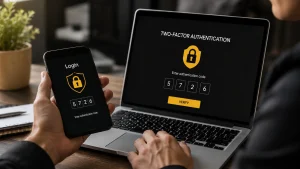
No business wants to lose important data. However, accidents happen. Files can be deleted, systems can fail, and cyberattacks can lock access to business information. Backup and disaster recovery help your business recover quickly.
A good backup plan should include:
- Regular data backups
- Secure backup storage
- Quick recovery options
- Protection from accidental deletion
- Support during system failure
Disaster recovery goes one step further. It helps your business continue operating after a major issue, such as a cyberattack, outage, or hardware failure. This is important because downtime can affect sales, customer service, productivity, and trust.
6. Security for Hybrid Cloud Environments
Some businesses use both private and public cloud systems. This setup can offer flexibility, but it can also create security challenges. Hybrid cloud security solutions help keep protection consistent across both environments.
This is helpful for companies that:
- Store sensitive data in a private cloud
- Use public cloud apps for daily work
- Have remote teams
- Run different systems across departments
- Need flexible but secure IT operations
Hybrid environments need careful planning because data may move between different platforms. A strong security setup helps make sure information stays protected wherever it goes.
How to Choose the Right Cloud Security Setup
Choosing the right security solution starts with understanding your business needs. Not every company needs the same tools, but every company needs a smart plan.
Here are simple steps to guide your decision:
- Review your current risks: Look at where your data is stored, who can access it, and what systems are most important to your operations.
- Identify sensitive information: Know which files or systems need stronger protection, such as customer data, financial records, and business contracts.
- Check user access: Make sure employees only have access to the tools and information they need for their role.
- Plan for backup and recovery: Do not wait for data loss before creating a recovery plan. Secure backups should be part of your daily operations.
- Work with trusted cloud experts: Cloud security can be easier when you have the right support. Experts can help you choose, set up, and manage the best solutions for your business.
Common Mistakes Businesses Should Avoid
Many cloud security problems happen because of simple mistakes. The good news is that these can be prevented with the right habits and support.
Avoid these common issues:
- Using weak or repeated passwords
- Not turning on multi-factor authentication
- Giving too much access to employees
- Forgetting to back up important files
- Ignoring software updates
- Assuming cloud providers handle everything
- Not monitoring suspicious activity
- Waiting until a problem happens before improving security
Cloud security works best when it is proactive. It is always better to prevent problems than to recover from them later.
Build a Safer Cloud Foundation for Your Business
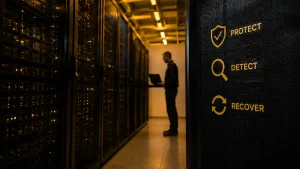
Cloud security is now a must for every business that uses online systems, cloud storage, apps, or remote work tools. As more daily operations move online, companies need strong protection for their data, users, systems, and applications. The right cloud security setup can help prevent cyber threats, reduce downtime, protect customer trust, and support long-term business growth.
However, cloud security works best when it is planned properly. Businesses need secure access controls, data protection, monitoring, backups, and reliable support to keep operations safe and efficient.
If your business is ready to build a safer and more reliable cloud environment, Top Premier Cloud is here to help. We provide secure, scalable, and dependable cloud services for businesses across Canada. Contact Top Premier Cloud today to build a safer, smarter, and more efficient cloud foundation.
FAQs About Cloud Security
- What is a cloud security solution? A cloud security solution is a tool, system, or service that helps protect cloud-based data, applications, users, and infrastructure from online threats.
- Why does my business need cloud security? Your business needs cloud security to protect sensitive data, prevent unauthorized access, reduce downtime, and keep operations running safely.
- Is cloud security only for large companies? No. Small and medium businesses also need cloud security. In many cases, smaller companies are targeted because they may have weaker protection.
- What is the most important cloud security feature? Access control is one of the most important features because it helps prevent unauthorized users from entering your business systems.