
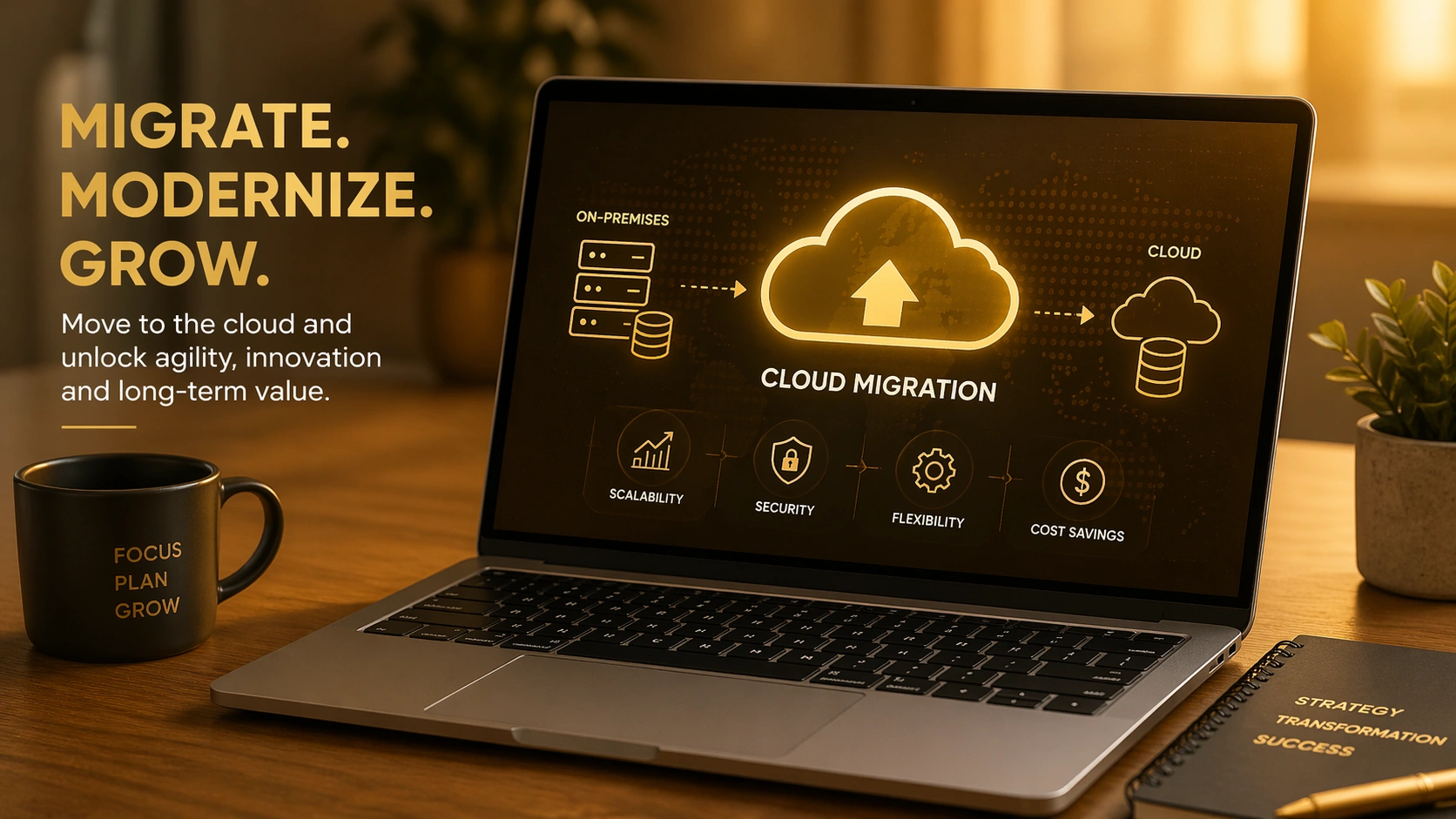
Reduce Downtime with Reliable Cloud Migration Services
Downtime can cost businesses more than just money. It affects customer trust, team productivity, and overall operations. That is why many companies are now investing in cloud migration services to ensure a smooth and controlled transition to modern infrastructure.
When done correctly, migration is not disruptive. It becomes a strategic move that improves performance, strengthens security, and keeps your business running without interruption.
In this guide, you will learn how to reduce downtime during migration, what to expect from the process, and how to approach it with confidence.
Cloud Migration Services That Minimize Downtime Risks
Before starting any migration, it is important to understand where downtime usually comes from. Many issues are not caused by the cloud itself, but by poor execution.
Why Downtime Happens During Migration
Downtime often occurs due to a lack of preparation. Businesses may rush into migration without fully understanding their systems or dependencies. In real scenarios, companies that skip testing often face system outages during peak operations, especially when customer-facing platforms are involved.
How Strategic Planning Prevents Disruptions
A structured plan is the foundation of a successful cloud migration. This includes auditing your current infrastructure, identifying system dependencies, and creating a phased roadmap. Testing environments before deployment allows businesses to catch issues early and avoid unexpected downtime.
The Importance of Choosing the Right Migration Approach
Every business has different needs, and choosing the right approach matters. Some companies benefit from a simple lift-and-shift, while others require a more advanced setup to support long-term growth. The goal is to reduce complexity while maintaining system stability throughout the transition.
Key Benefits of a Well-Executed Cloud Transition

Once migration is handled properly, the benefits become immediately noticeable. Beyond reducing downtime, businesses gain better performance and flexibility.
- Improved System Uptime and Reliability: Cloud environments are designed for high availability. Businesses experience fewer interruptions and more consistent system performance, even during periods of high demand.
- Faster Access to Data and Applications: Teams can securely access systems from anywhere, making collaboration easier and more efficient. This is especially useful for businesses with remote or hybrid teams.
- Stronger Security and Compliance: With modern cloud data security solutions, businesses can protect sensitive information while meeting regulatory requirements. This is critical for industries that handle customer data or financial transactions.
- Cost Efficiency and Resource Optimization: Cloud infrastructure removes the need for expensive hardware and maintenance. Businesses can scale resources based on demand, making operations more cost-efficient.
Step-by-Step Process for a Smooth Cloud Migration
A successful migration does not happen all at once. It follows a clear and structured process to minimize risks and maintain stability.
Step 1: Assess Your Current Infrastructure
The first step is understanding your existing systems. This includes identifying critical applications, evaluating performance gaps, and determining which workloads need priority.
Step 2: Define a Clear Migration Strategy
Once the assessment is complete, the next step is building a strategy that aligns with your business goals. This includes selecting the right cloud model and setting realistic timelines for each phase.
Step 3: Secure Data and Backups
Before any migration begins, data protection must be in place. Full backups, encryption protocols, and recovery systems ensure that your business can quickly recover if any issue arises.
Step 4: Execute Migration in Phases
Instead of migrating everything at once, a phased approach reduces risk. Businesses typically start with less critical systems, allowing teams to monitor performance and adjust the process as needed.
Step 5: Test, Optimize, and Monitor
After migration, continuous monitoring ensures everything runs smoothly. Performance testing and system optimization help maximize the benefits of the cloud environment.
Common Challenges Businesses Face (and How to Avoid Them)

Even with a solid plan, challenges can arise. The key is knowing how to handle them effectively.
- Lack of Technical Expertise: Many businesses do not have the internal resources to manage complex migrations. This can lead to delays and costly mistakes if not addressed early.
- Poor Communication Across Team: Migration requires coordination between departments. Without clear communication, timelines can be disrupted and critical tasks overlooked.
- Underestimating Complexity: Migration is not just about moving data. It involves systems, workflows, and user experience. Businesses that treat it as a simple task often face unexpected issues.
If you want to avoid these risks, working with an experienced partner like us at Top Premier Cloud ensures your migration is handled professionally from start to finish.
Why Businesses in Canada Are Moving to the Cloud
More companies are shifting to cloud solutions as part of their long-term growth strategy. This shift is driven by both operational needs and competitive pressure.
- Growing Demand for Flexibility: Businesses are adopting Canadian cloud hosting to scale quickly and adapt to changing market conditions without heavy infrastructure investments.
- Digital Transformation Across Industries: Organizations across sectors are modernizing their systems to improve efficiency and stay competitive in a fast-evolving digital landscape.
- Better Understanding of Cloud Technology: Decision-makers now have a clearer understanding of what is cloud hosting software and how it supports automation, efficiency, and business continuity.
Choosing the Right Cloud Partner for Long-Term Success
The success of your migration depends heavily on the partner you choose. A reliable provider simplifies the process and reduces risks.
What to Look for in a Provider
The right provider should offer proven experience, strong security practices, and scalable solutions that align with your business needs.
The Value of a Local Expert
Working with a trusted cloud solutions provider Canada ensures better communication, faster support, and solutions designed for local business environments.
Build a Stronger Digital Foundation with Top Premier Cloud
At Top Premier Cloud, we understand that downtime is not just a technical issue. It directly impacts your business performance. That is why we take a practical and structured approach to every migration project.
We help businesses across Canada grow with secure, scalable, and reliable cloud solutions. Our goal is to simplify operations, strengthen security, and support long-term growth through dependable service and expert guidance.
Whether you are upgrading legacy systems or scaling your infrastructure, we ensure a smooth transition that keeps your business running efficiently.
Take the Next Step Toward a Seamless Cloud Migration
Reducing downtime is not about avoiding change. It is about making smarter decisions with the right strategy and support. With expert-led cloud migration services, your business can transition smoothly while improving performance, security, and scalability.
Ready to eliminate downtime and upgrade your infrastructure? Call Top Premier Cloud today and experience a seamless, secure, and efficient cloud migration built for long-term success.